Aloe Vera: The Miraculous Medicinal Plant
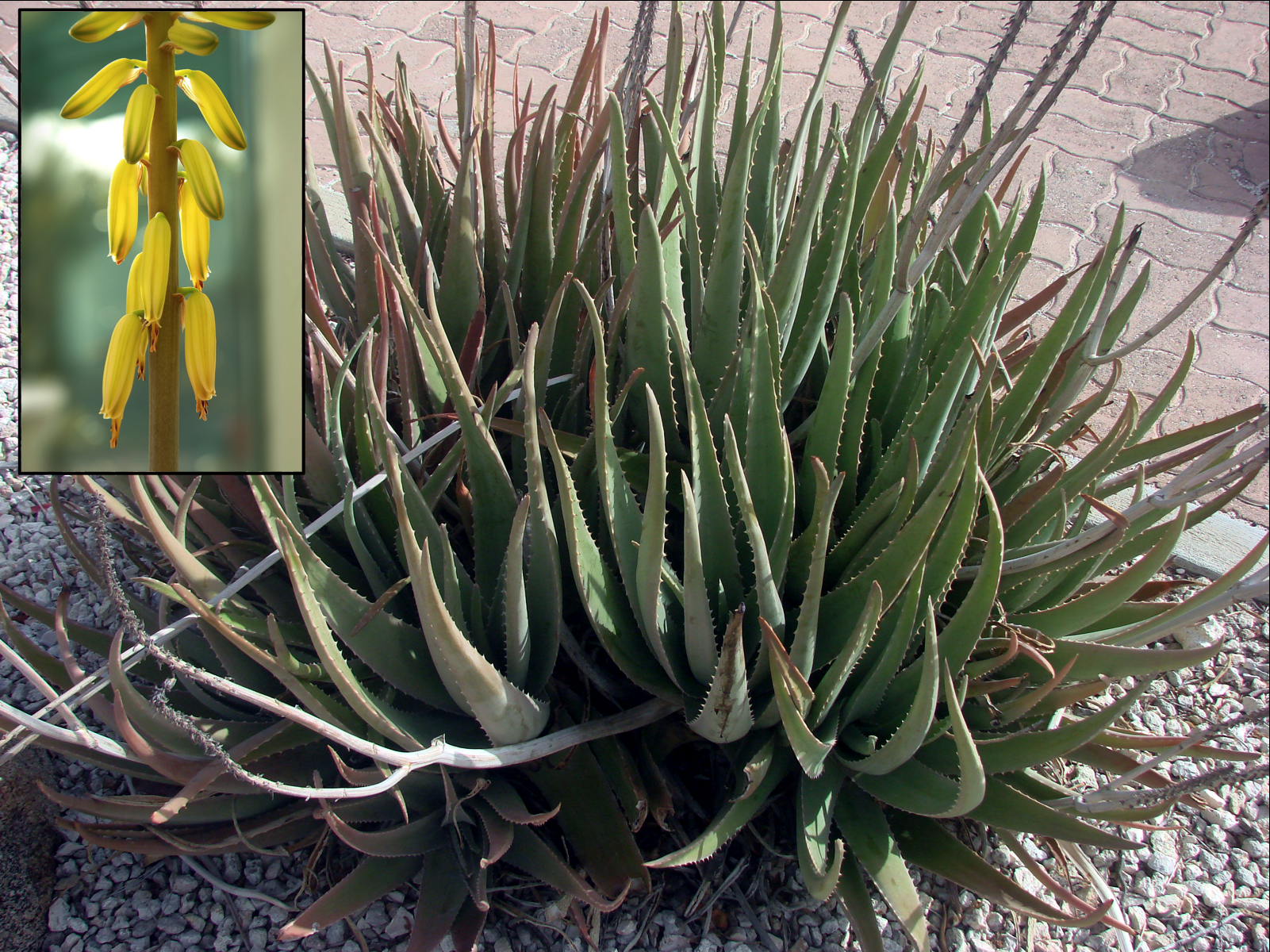
Aloe vera is a succulent plant that has been around for centuries. It is known for its healing properties. People often call it the “miracle plant” because you can use it for so many things. In this blog, we will look at its different names, botanical classification, physical properties, and uses. We will also discuss the best growing conditions for aloe vera and whether it can be toxic.
Different Names
Aloe vera is known by many names in different cultures and scientific communities:
Scientific Name: Aloe vera (L.) Burm.f.
Synonyms: Aloe barbadensis Mill., Aloe indica Royle, Aloe perfoliata var. vera L.
Common Names: True Aloe, Burn Plant, Lily of the Desert, Elephant's Gall.
Classification
Kingdom: Plantae
Clade: Angiosperms
Order: Asparagales
Family: Asphodelaceae
Genus: Aloe
Species: A. vera
Physical Characteristics
Leaves: Aloe vera leaves are thick and fleshy, ranging in color from green to gray-green. They have small white teeth on the edges, and some varieties have white spots on the surfaces.
Flowers: The plant produces tubular yellow flowers arranged in a spike during late spring to early summer. These flowers can reach a height of 90 cm.
Fruit: After pollination, the plant produces a capsule-like fruit containing numerous seeds.

Uses & Benefits
Medical Benefits:
Aloe vera is a truly useful plant with a long history of use as a medicine and for other practical purposes. It has many benefits, such as soothing skin irritations, aiding digestion, and speeding up wound healing.
Household Benefits:
Aloe vera also purifies the air and looks great as a houseplant.
Aloe Vera Gel: A Natural Elixir for Health and Beauty
Aloe vera gel, extracted from the fleshy leaves of the aloe vera plant, has been used for centuries as a remedy for various ailments and as a beauty enhancer. This natural gel is packed with essential nutrients, vitamins, and minerals, making it a versatile ingredient in skincare, healthcare, and everyday life. Below, we explore its uses and benefits in detail.
Uses of Aloe Vera Gel
1. Skincare
- Moisturizer: Aloe vera gel is an excellent natural moisturizer suitable for all skin types, particularly for oily or acne-prone skin.
- Sunburn Relief: Its soothing properties provide instant relief from sunburn, reducing redness and irritation.
- Anti-Aging: Regular use helps diminish the appearance of fine lines and wrinkles by improving skin elasticity.
- Acne Treatment: Aloe's antibacterial properties help reduce acne, prevent breakouts, and lighten acne scars.
2. Hair Care
- Scalp Health: Aloe vera gel can be used as a natural remedy for dandruff, itchy scalp, and irritation.
- Hair Conditioner: Works as a natural conditioner, leaving hair soft and shiny.
- Hair Growth: Stimulates hair growth by nourishing the scalp and improving blood circulation.
3. Wound Healing
- Used as a topical application for minor cuts, scrapes, and burns to speed up healing and prevent infection.
4. Digestive Health
- Consumed orally, aloe vera gel can aid in digestion, alleviate constipation, and soothe symptoms of irritable bowel syndrome (IBS).
5. Immunity Booster
- Aloe vera gel contains antioxidants that help fight free radicals and boost the immune system.
6. Cosmetics and DIY Products
- Used in homemade face masks, scrubs, and hair masks for a chemical-free beauty regime.
- A base ingredient in many commercial creams, lotions, and serums.
Benefits of Aloe Vera Gel
Nutritional Richness
- Aloe vera gel is loaded with vitamins (A, C, E, B12), minerals (calcium, magnesium, zinc), and amino acids that nourish the skin and body.
Hydration
- Its water-rich composition makes it an excellent hydrator, both when applied topically and consumed.
Anti-Inflammatory
- Reduces inflammation, making it effective for treating skin conditions like eczema, psoriasis, and rosacea.
Antibacterial and Antiviral
- Protects against bacterial infections and can inhibit the growth of certain viruses.
Detoxification
- Aloe vera gel helps flush out toxins when consumed, promoting a cleaner internal system.
Pain Relief
- Provides relief from joint pain and muscle aches due to its anti-inflammatory and cooling properties.
Weight Management
- Supports metabolism and may aid in weight loss when included in a balanced diet.
Enhances Oral Health
- Used in oral care products to treat gum inflammation, ulcers, and promote healthy teeth.

Best Growing Conditions
Climate: Aloe vera is a tropical and subtropical plant that can also grow indoors if you have enough sunlight.
Sunlight: It likes bright, indirect sunlight, but can also take direct sun.
Watering: It doesn't need much water, and too much can cause root rot.
Best Season: It grows year-round, but its main growing season is spring and summer.
Toxicity
Aloe vera is a versatile plant with a rich history of medicinal and practical uses. While it offers numerous benefits, it is important to use it properly and be aware of its potential toxicity, especially regarding ingestion and pet safety.
Conclusion
Aloe vera stands out as a versatile plant with a rich history of medicinal and practical uses. While it offers numerous benefits, it is important to use it properly and be aware of its potential toxicity, especially regarding ingestion and pet safety.
Comments
Post a Comment